Classic cartoons are better than modern ones because they prioritized handcrafted artistry, timeless storytelling, and genuine emotional resonance over mass-produced efficiency. If you have ever felt that today's animated content lacks something you cannot quite name, you are not imagining it. The golden age of animation left behind a blueprint that modern studios have largely abandoned and understanding why matters if you care about what you watch.
What Exactly Makes Classic Cartoons Superior?
Classic cartoons from the 1930s through the early 1990s were built on principles that modern animation often overlooks. Every frame was drawn by hand. Every gag was timed with precision. Every character had a distinct silhouette you could recognize in shadow alone.
This was not nostalgia at work. It was craft. Studios like Warner Bros., Disney, and Hanna-Barbera operated under a philosophy: animation is art first, product second. That single priority shaped everything from fluid motion to layered humor that entertained children and adults simultaneously.
Why Does Hand-Drawn Animation Feel Different?
The tactile quality of hand-drawn frames introduces subtle imperfections that the human eye registers as warmth. When Bugs Bunny leans against a wall and smirks, you are watching a real person's pencil strokes translate into personality. That connection between artist and viewer is nearly impossible to replicate digitally at the same emotional depth.
Modern CGI and Flash-based animation can look polished, even stunning. But polish and soul are not the same thing. Classic cartoons carried the fingerprints of their creators in every cel, and audiences felt that intimacy whether they could articulate it or not.
Matching Classic Cartoons to Your Personal Taste
If You Value Wit Over Visuals
Start with Looney Tunes and Tex Avery shorts. The writing in these cartoons operated on multiple levels slapstick for children, cultural satire and timing-based comedy for adults. Chuck Jones episodes in particular reward repeated viewing because the humor is structural, not just visual.
If You Appreciate Storytelling Depth
Look toward early Disney features and Don Bluth films. Movies like The Iron Giant or series like DuckTales (1987) built narratives that respected young viewers' intelligence. They did not shield children from complexity they trusted them with it.
If You Need Something for Family Viewing
Classic Scooby-Doo, Tom and Jerry, and Popeye shorts work across generations because their humor is physical and situational. No prior knowledge is required. No cultural context expires. A chase gag from 1945 still lands in 2025.
Common Mistakes When Comparing Eras
Dismissing modern cartoons entirely is as unhelpful as ignoring the classics. The real mistake is assuming all animation is interchangeable. Here are pitfalls to avoid:
- Judging classics by pilot episodes only. Many classic series improved dramatically after their first season. Give them room.
- Assuming older means slower pacing. Tex Avery and Bob Clampett cartoons are faster and more chaotic than most modern animation.
- Confusing budget with quality. Limited animation in shows like Scooby-Doo was a budget constraint, not an artistic choice. The writing still carried the weight.
- Overlooking theatrical shorts. The best classic cartoons were seven-minute theatrical shorts, not television episodes. Seek those out specifically.
How to Build a Classic Cartoon Viewing Practice at Home
You do not need a film degree to appreciate classic animation. You need the right starting point and an intentional approach.
- Begin with curated collections the Looney Tunes Golden Collection sets are the gold standard for quality transfers and bonus context.
- Watch with the sound off once. This isolates the visual storytelling and reveals how much personality lives in movement alone.
- Share one short with a child. Their genuine reaction tells you more about timeless appeal than any analysis can.
- Keep a simple note of which episodes or shorts made you laugh, think, or feel something. Patterns will emerge that define your personal taste.
- Avoid binge-watching. Classic shorts were designed as individual experiences. Watch one or two at a time and let them breathe.
Your Quick-Start Checklist
- Watch at least three Chuck Jones Looney Tunes shorts this week
- Compare one classic short to a modern cartoon of similar length notice the pacing, humor, and animation differences yourself
- Identify what you personally respond to: wit, artistry, story, or nostalgia
- Build a small watchlist based on that preference rather than following generic "best of" rankings
- Revisit one cartoon you watched as a child and evaluate it with fresh eyes
The answer to why classic cartoons are better than modern ones is not about gatekeeping or blind nostalgia. It is about recognizing that certain artistic choices handcraft, patience, respect for the audience produce work that endures. The cartoons that still make people laugh decades later earned that status through craft, not luck. Start watching with intention, and you will see the difference immediately.
Explore Design Classic Cartoons for Kids to Watch Today: Timeless Favorites
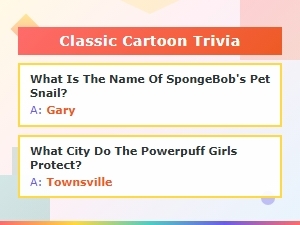 Classic Cartoon Trivia Questions and Answers
 Best Classic Cartoons of All Time Ranked: Top Animated Shows Ever
 Classic Vintage Cartoon Series From the 1960s and 1970s
 A Guide to Classic Cartoon Characters and Their Names
 Best Adult Animated Shows for Comedy Fans