If you've been searching for the best classic cartoons of all time ranked, you're not alone. Generations of viewers have debated which golden-age animation truly deserves the top spot. This guide cuts through the noise and helps you build your own definitive watchlist based on what actually matters to you.
What Makes a Classic Cartoon Worth Watching Today?
A classic cartoon is any animated work typically produced between the 1930s and early 1990s that continues to resonate with audiences decades after its original release. These aren't just nostalgic relics. The writing, timing, and visual craftsmanship in shows like Looney Tunes, Tom and Jerry, and The Flintstones set standards that modern animation still references.
Watching them makes sense when you want entertainment that doesn't rely on rapid editing or shock value. Classic cartoons reward patience. The humor builds through physical comedy, clever sight gags, and surprisingly sharp dialogue. They're also ideal for introducing younger viewers to animation as an art form rather than just content to consume passively.
Understanding why they ranked among the best helps you appreciate the craft behind each frame. These cartoons pioneered techniques in squash-and-stretch animation, character-driven storytelling, and musical synchronization that became industry fundamentals.
How to Choose Based on Your Personal Preferences
Age and Maturity Level
For younger children, Scooby-Doo and The Smurfs offer approachable storylines with gentle humor. Teenagers and adults often gravitate toward the sharper satire of The Flintstones or the surreal wit of Ren & Stimpy. Match the cartoon to the viewer's ability to understand layered jokes.
Viewing Purpose
Casual background entertainment calls for episodic shows like Tom and Jerry each short stands alone. If you want narrative depth, seek serialized classics like DuckTales or Gargoyles. For studying animation history, the Silly Symphonies series offers a masterclass in evolving techniques.
Era Preference
The 1930s–1950s golden age produced Looney Tunes and Disney shorts with unmatched hand-drawn fluidity. The 1960s–1970s brought television-first formats like The Jetsons. The 1980s–1990s introduced richer storytelling with shows like DuckTales and Animaniacs. Pick an era that matches your aesthetic taste.
Common Mistakes and How to Fix Your Viewing Experience at Home
A frequent mistake is watching remastered versions that alter original color palettes or crop the aspect ratio. Whenever possible, seek out original-format releases or restorations that respect the source material. Streaming platforms don't always get this right.
Another error is binging classic cartoons the way you'd binge modern series. These shorts were designed for individual viewing usually seven minutes at a time. Watching three or four episodes in a sitting respects the pacing and lets each gag land properly.
Audio quality matters more than people realize. Many classic cartoons relied on full orchestral scores. A decent pair of speakers or headphones transforms the experience significantly compared to watching on a phone with tinny sound.
Your Classic Cartoons Checklist
- Start with five essentials: Looney Tunes, Tom and Jerry, The Flintstones, Scooby-Doo, and DuckTales.
- Check the format: Verify aspect ratio and restoration quality before committing to a platform.
- Set viewing sessions: Limit each session to 30–45 minutes to match the original pacing.
- Improve your audio setup: Use external speakers or quality headphones.
- Explore one new era per month: Move through the decades systematically to understand how the art form evolved.
- Take notes on favorites: Track which shows connect with you and why, then explore similar titles.
Building your own ranked list of the best classic cartoons of all time starts with honest personal taste, not someone else's top-ten article. Use this framework, watch deliberately, and let the cartoons earn their place on your shelf.
Get Started Classic Cartoons for Kids to Watch Today: Timeless Favorites
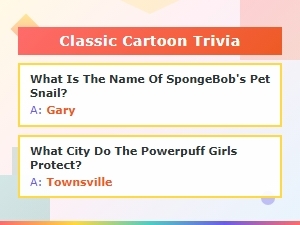 Classic Cartoon Trivia Questions and Answers
 Classic Vintage Cartoon Series From the 1960s and 1970s
 Why Classic Cartoons Are Better Than Modern Ones: Timeless Appeal Explained
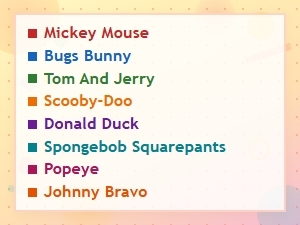 A Guide to Classic Cartoon Characters and Their Names
 Best Adult Animated Shows for Comedy Fans