Need Classic Cartoon Trivia Questions and Answers? Here's Where to Start
If you're planning a game night, a family gathering, or just want to test your Saturday morning knowledge, finding solid classic cartoon trivia questions and answers is the first step. The right mix of easy, medium, and challenging questions keeps everyone engaged from casual viewers to die-hard animation fans.
The problem is that most online lists are either too simple or filled with obscure facts nobody cares about. A good trivia set strikes a balance: familiar enough to spark nostalgia, tricky enough to keep it competitive.
What Makes Classic Cartoon Trivia Worth Playing?
Classic cartoon trivia isn't just about naming characters. It taps into shared cultural memory the shows that shaped how millions of kids grew up. Think The Flintstones, Scooby-Doo, Tom and Jerry, Looney Tunes, and The Jetsons.
These shows aired across several decades, which means your trivia questions can span from the 1930s all the way to the early 2000s. That range gives you plenty of material to work with and allows different generations to contribute.
When Is the Best Time to Use Cartoon Trivia?
Classic cartoon trivia fits nearly any casual setting. Birthday parties, pub quiz nights, classroom activities, road trips, and even virtual hangouts all work well. The key is matching question difficulty to your audience.
For mixed-age groups, lean toward characters and shows that had long syndication runs. The Flintstones, Scooby-Doo, and Tom and Jerry were rebroadcast for decades, so even younger players might recognize them.
Tailoring Questions to Your Audience
Know Your Crowd's Era
Someone raised on Rocky and Bullwinkle will struggle with Dexter's Laboratory questions, and vice versa. Ask yourself: what decade did most of my players grow up in? Then build around that anchor era while sprinkling in a few wild cards from other periods.
Balance Categories
Don't make every question about character names. Good trivia mixes in voice actors, theme songs, catchphrases, episode plots, and behind-the-scenes production facts. For example:
- Character question: What is the name of Scooby-Doo's best friend and owner?
- Voice actor question: Who voiced Bugs Bunny for nearly five decades?
- Theme song question: What band performed the Johnny Bravo theme song?
- Production question: In what year did The Flintstones first air on television?
Adjust Difficulty in Layers
Start each round with approachable questions to build confidence. Move into moderate territory in the middle. Save the hardest ones obscure production details, specific episode titles, or lesser-known characters for the final round.
Common Mistakes When Building Trivia Sets
The biggest error is making questions too vague. "What color is a cartoon character's hat?" is useless if multiple characters fit the description. Always ensure there's one clear, verifiable answer.
Another mistake is ignoring answer accuracy. Double-check facts against reliable sources like IMDb, official studio archives, or dedicated animation databases. Wrong answers in a trivia game destroy trust fast.
Writing Classic Cartoon Trivia at Home
Start by listing ten shows you want to cover. For each show, write one easy, one medium, and one hard question. That gives you thirty questions across ten categories enough for a solid one-hour session.
Test your questions on one or two people before the event. If they answer the "hard" questions instantly, push the difficulty up. If they can't get the "easy" ones, pull it back.
Quick Checklist Before Game Night
- At least 20–30 questions covering multiple decades of animation
- A healthy mix of categories: characters, voice actors, music, plots, production
- Three difficulty tiers distributed evenly across rounds
- Every answer fact-checked and unambiguous
- Questions read aloud once to catch awkward phrasing
Classic cartoon trivia questions and answers work best when they feel fair, fun, and rooted in shows people actually watched. Build your list with care, test it before game night, and let the nostalgia do the rest.
Learn More Classic Cartoons for Kids to Watch Today: Timeless Favorites
 Best Classic Cartoons of All Time Ranked: Top Animated Shows Ever
 Classic Vintage Cartoon Series From the 1960s and 1970s
 Why Classic Cartoons Are Better Than Modern Ones: Timeless Appeal Explained
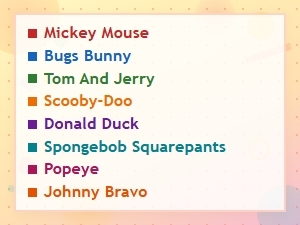 A Guide to Classic Cartoon Characters and Their Names
 Best Adult Animated Shows for Comedy Fans