If you have been searching for a classic cartoon characters list with names, you are in the right place. Below you will find the most recognizable characters from the golden age of animation, along with practical context to help you understand why each one still matters today.
What Counts as a Classic Cartoon Character?
The term "classic cartoon" generally refers to animated characters that debuted between the late 1920s and the mid-1980s. This era covers the theatrical short-film boom, the rise of Saturday morning television, and the first wave of syndicated animated series. Characters from this window shaped the visual language of every animated project that followed.
Knowing these characters is not just about nostalgia. They serve as a reference point in pop culture, education, and even branding. A filmmaker, a designer, or a parent choosing content for a child all benefit from understanding who these characters are and where they came from.
Classic Cartoon Characters List with Names
- Mickey Mouse Walt Disney, 1928
- Bugs Bunny Warner Bros., 1940
- Tom and Jerry MGM, 1940
- Donald Duck Walt Disney, 1934
- Goofy Walt Disney, 1932
- Popeye Fleischer Studios, 1933
- Woody Woodpecker Walter Lantz, 1940
- Daffy Duck Warner Bros., 1937
- Porky Pig Warner Bros., 1935
- Scooby-Doo Hanna-Barbera, 1969
- The Flintstones Hanna-Barbera, 1960
- The Jetsons Hanna-Barbera, 1962
- Betty Boop Fleischer Studios, 1930
- Felix the Cat Pat Sullivan, 1919
- Yogi Bear Hanna-Barbera, 1958
- Casper the Friendly Ghost Famous Studios, 1945
- Road Runner & Wile E. Coyote Warner Bros., 1949
- Droopy Dog MGM, 1943
- Pink Panther DePatie–Freleng, 1963
- He-Man Filmation, 1983
How to Choose the Right Era for Your Taste
Pre-1950s: The Golden Age
If you appreciate hand-drawn artistry, slapstick timing, and jazz-era soundtracks, start with characters from the 1930s and 1940s. Mickey Mouse, Bugs Bunny, and Betty Boop represent animation at its most inventive, with short films that rarely exceeded ten minutes.
1950s–1960s: The Television Transition
Hanna-Barbera redefined animation for the small screen with limited budgets and faster production cycles. The Flintstones, The Jetsons, and Yogi Bear introduced serialized storytelling that made cartoon characters part of a family's weekly routine.
1970s–1980s: The Action and Comedy Boom
This period produced shows aimed at both children and collectors. Scooby-Doo matured into a franchise, while He-Man proved that animated characters could drive entire toy lines. These decades bridged the gap between classic and modern animation.
Common Mistakes When Exploring Classic Cartoons
- Confusing remakes with originals. Many modern reboots share names with classic versions but have different tone and animation style. Always check the original air date.
- Skipping short films. Television episodes get more attention, but theatrical shorts often contain the best writing and animation. Seek out restored collections on streaming platforms.
- Assuming all classics are child-friendly. Some early cartoons contain dated humor. Preview episodes before sharing them with younger viewers.
How to Build Your Own Viewing Collection at Home
Start by identifying which studios produced your favorite characters. Disney, Warner Bros., Hanna-Barbera, and Fleischer each have dedicated streaming or physical media catalogs. Services like Disney+ and Max host large restored libraries.
For physical collectors, look for Blu-ray box sets that include commentary tracks and historical documentaries. These extras give you context that a simple playlist cannot provide.
Quick Checklist to Get Started
- Pick one era from the list above that matches your personal interest.
- Choose three characters and watch at least two original shorts or episodes for each.
- Note which studio produced them so you can explore related content efficiently.
- Check streaming availability before purchasing physical media.
- Share your favorites with someone who has not seen them classic cartoons gain meaning through conversation.
A well-curated classic cartoon characters list with names is more than a reference. It is a starting point for hours of entertainment and a deeper understanding of how animation became one of the most powerful storytelling forms in history.
Try It Free Classic Cartoons for Kids to Watch Today: Timeless Favorites
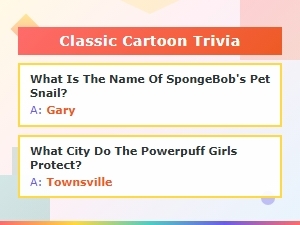 Classic Cartoon Trivia Questions and Answers
 Best Classic Cartoons of All Time Ranked: Top Animated Shows Ever
 Classic Vintage Cartoon Series From the 1960s and 1970s
 Why Classic Cartoons Are Better Than Modern Ones: Timeless Appeal Explained
 Best Adult Animated Shows for Comedy Fans